
South African drivers swap SUVs for smaller, cheaper rides
Fuel prices have quietly redrawn the South African used-car shopping list. Buyers are still spending, but they are doing it with a tighter grip on the calculator, and the result is a clear tilt toward smaller cars that sip less at the pump.
AutoTrader’s latest April 2026 data shows that the market is still active, yet the mood has changed. The company sold 30,971 used vehicles last month, which is 8.0% ahead of the same month a year earlier, even though that figure was lower than March’s 33,164. George Mienie, AutoTrader’s CEO, said shoppers are looking far beyond the sticker price now, weighing fuel use, finance, maintenance and resale value before they commit.
Buyers are chasing lower running costs
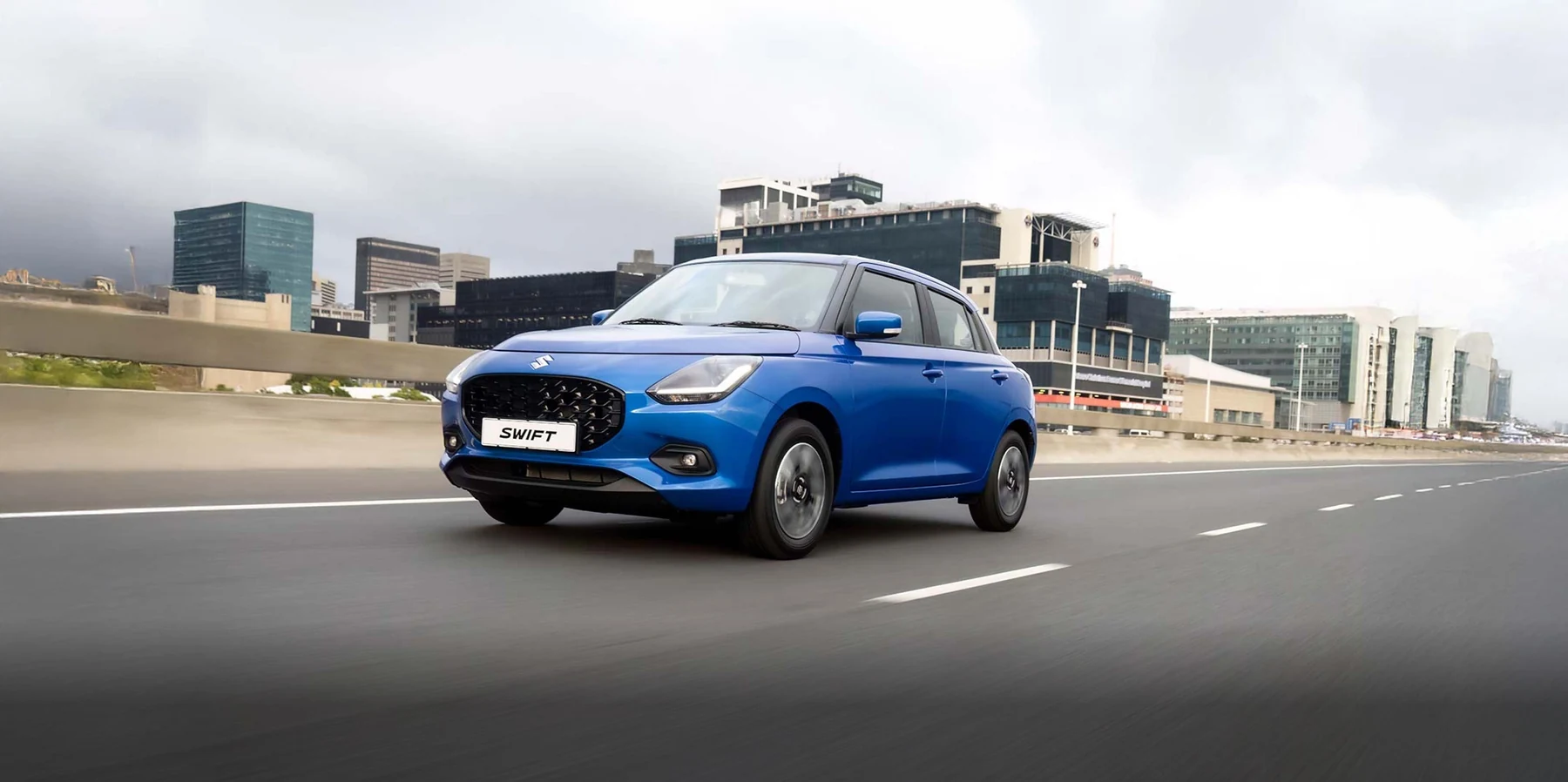
The strongest momentum is sitting with compact hatchbacks and smaller crossovers. The Suzuki Swift, Hyundai Grand i10 and Toyota Corolla Cross all recorded strong year-on-year gains, which points to a simple habit change in the used market: people want cars that cost less to live with after the sale.
The Swift was one of the clearest winners. AutoTrader recorded 789 used sales for the model in April, up 66.1% from a year earlier. It also carries an average price of R212,298, sits at about three years old on average, and shows average mileage of 35,157km. Its fuel-use figure of 4.4 to 4.6 litres per 100km is a major part of the appeal.
Hyundai’s Grand i10 followed a similar path. Sales climbed 74.6% year on year to 557 units, with an average price of R192,498, an average age of four years and average mileage of 46,136km. It returns 5.5 to 5.7 litres per 100km, which makes it a practical option for buyers trying to keep monthly fuel spend under control.
The Toyota Corolla Cross also gained ground, even though it sits in a higher price band. It moved 644 units in April, a 47.7% rise, with an average asking price of R390,532, an average age of two years and mileage of 29,578km. Its quoted fuel consumption range of 4.3 to 6.7 litres per 100km gives it a useful middle ground for shoppers who want a newer, slightly larger vehicle without moving into the thirstier end of the market.
Bigger vehicles are feeling the squeeze
The pressure on fuel-heavy SUVs is visible in the way the Toyota Fortuner slipped down the rankings. A model that usually sits near the sharp end of the used-vehicle table dropped two places to seventh in April, with 598 sales.
That slide matters because it captures the new buying logic. A Fortuner still offers space, status and family-friendly practicality, but buyers are now asking whether those traits justify the fuel bill that comes with a large SUV. In a market where every rand is being measured against long-term use, that answer is becoming less automatic.
The shift is even more striking because it has not knocked the whole market flat. Instead, it has changed which cars are moving fastest. Larger SUVs can still attract interest, but the pace has moved toward models that promise lower daily costs and easier ownership.
The top brands still hold their ground
Toyota remained the biggest used-car brand in April with 5,148 sales. Volkswagen followed on 4,037, while Ford posted 3,061.
Those brand rankings show that trust, resale strength and familiarity still matter a great deal. South African buyers are not abandoning the established names. They are just applying more pressure to the numbers that sit behind them.
The model chart tells a similar story. The Ford Ranger stayed the most traded used vehicle overall, with 1,706 sales. Toyota’s Hilux followed on 1,329, and the VW Polo came third with 1,160. For readers who track local motoring trends through the SA Car News Site, that blend of brand loyalty and tougher cost scrutiny will look familiar, because it matches the broader pattern unfolding across the used market.
Ford’s Ranger is a useful example of why some vehicles continue to thrive despite rising fuel costs. It remains highly desirable for work, family duties and resale strength, and those qualities keep pulling buyers in. The Hilux benefits from the same logic. These bakkies are not cheap to run, but many owners accept that trade-off because the vehicles hold value well and perform a broad range of jobs.
Cost of ownership is now the real test
Mienie’s point about shoppers using a “sharper pencil” captures the way the market has moved. The purchase price is still the first figure buyers see, but it is no longer the last one that matters. Fuel, insurance, servicing and eventual resale now sit in the same conversation.
That change favours cars with modest engines, predictable maintenance and solid reputations. It also explains why budget hatchbacks are climbing faster than many larger models, even when they do not dominate the absolute sales table. The real growth is happening lower down the rankings, where value and efficiency carry more weight than size.
The current numbers suggest a market that is healthy but much more selective than it was a year ago. South Africans are still buying used cars in meaningful numbers, but the vehicles gaining ground are the ones that reduce the pain of ownership after the keys change hands.